Rat Cake, Psychedelic Substances and Carl Jung: Why Bruce Parry’s Tribe is an Anthropological Treasure
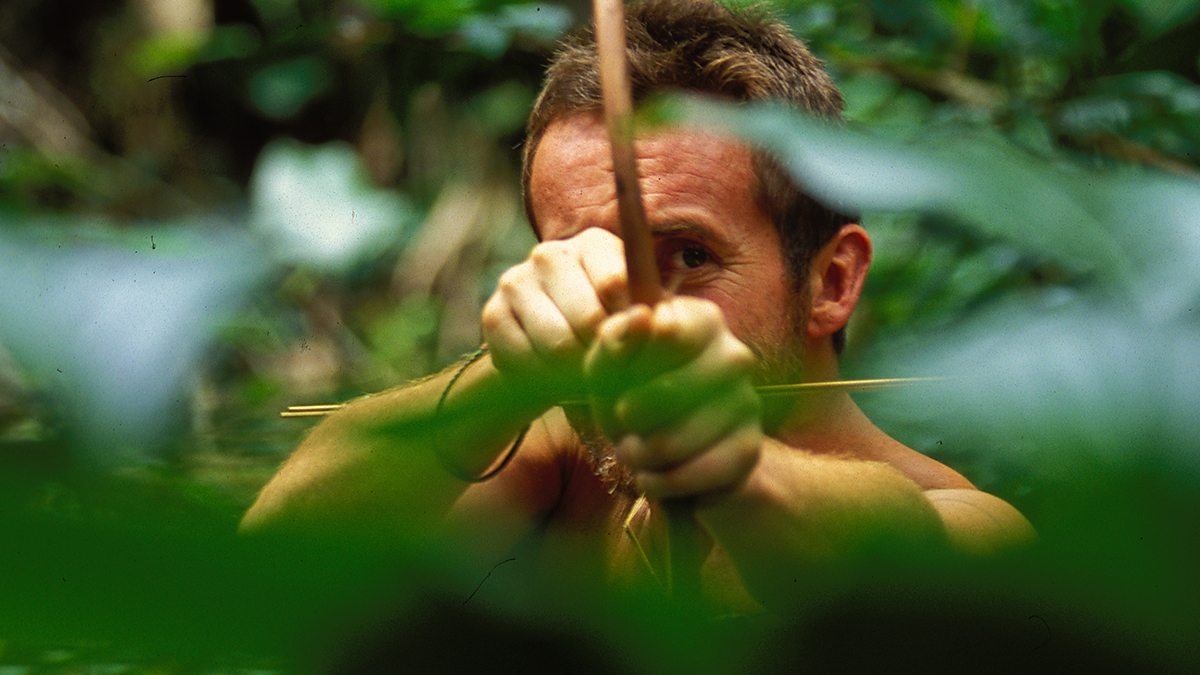
In 2005, British explorer and TV presenter Bruce Parry became (to my knowledge) the first Westerner to partake in Ayahuasca on prime-time television, undoubtedly making for shocking viewing for millions of viewers who had tuned in for something along the lines of a David Attenborough documentary but this time with people.
*Firstly, please note: This article contains spoilers for seasons 1 and 4 of Bruce Parry’s Tribe.
** Secondly, please note: I use the term “primitive” in this article, with the implied definition: “relating to, denoting, or preserving the character of an early stage in the evolutionary or historical development of something.” It is used with the utmost respect. I also used terms like “civilised”, meaning a product of modern civilisation, again, used in a non-derogatory way.
Bruce Parry (or Bruce The Brave as I like to call him), set off from Britain some time around the year 2005, and travelled the globe to stay with a host of barely-contacted tribes in the remotest parts of far-flung countries. He would stay for a whole month with a host family, eat, sleep and hunt as they did, take part in rituals and customs as a native would, and in his own words: “become one of the tribe”. There was almost nothing he would say no to, demonstrating a debatably-iron stomach (cue montage of the many, many moments of Bruce being fed purgatives or other plant medicines and vomiting profusely on camera) but a certifiably iron will to fully immerse himself in tribal customs.
These moments shift between touching heartfelt interaction and top-tier comedy. In an early visit to a tribe living next to the Nepalese border, Bruce pays a visit to the water (mud) closet and discovers the septic tank is staffed by an attentive “poo pig” gazing up from beneath the toilet seat, eagerly awaiting its next meal from above courtesy of the programme’s host and soon-to-be defecator. It is later revealed that these poo-pigs are a delicacy and Bruce and team ate one upon arrival.
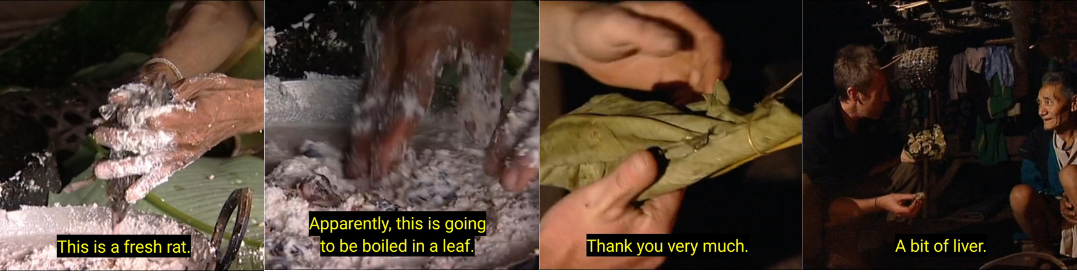
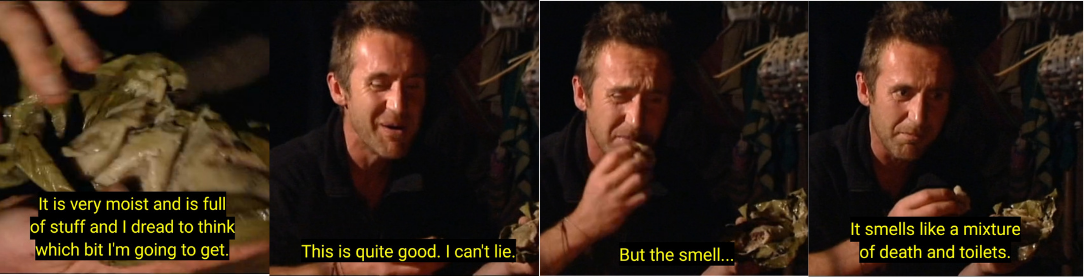
In the same episode, Bruce is served “rat cake”; a dismembered rat, bones, guts and all, mashed into a starchy dough, wrapped in a banana leaf and set to slow-cook on embers. He smiles at his host and graciously accepts the meal; usually these local dishes are surprisingly nice, subverting our western perceptions of how food should be cooked and presented; he takes a bite and reports to the camera: “the smell is rancid… A mixture of death and toilet”.
Other highlights include Bruce The Brave drinking fresh arterial blood from an Ethiopian cow, nearly having his penis inverted by cannibals in Papua New Guinea and finally (and most darkly hilarious in my opinion) being told, upon having just completed a six hour hike to a village in Angola, that he must strangle a goat to death with his bare hands (the locals later repeated this process with a cow, their entire bodies wrapped around the poor creature’s neck) in order to not offend his new hosts. All of this is, of course, without mentioning Bruce’s capacity for diving head-first into all manner of tribal ritual, being stuffed to the gills with snuff, Iboga root, Ayahuasca and other entheogenic substances from the depths of the world’s rain-forests. Pupils dilated and looking almost possessed due to the green and black night-vision footage, Bruce narrates his experiences to the best of his ability (when tribal custom will allow), before footage usually cuts to dancing forms, thunder storms, licking flames and moon-beams. Once back to his senses, we get a summary of his experience, if it can even be put adequately into words.
It would be easy to miss the point of Tribe as a whole. It is undoubtedly raw entertainment and could be mistaken by the uninitiated as early 2000s shock-value tv to make us feel better about our internet connections, brick houses, ultra-processed food and screen-time increasing towards the infinite. But to hold this view would be to totally miss the point of the show and the things it reveals to the viewer about so-called primitive living. Tribe reveals not only a totally candid, warts and all look at the Human Condition across the globe, but also a great wealth of anthropological and psychological case-studies, from myth, to religion, to community and ritual. It holds a mirror to us, the viewer, sitting in comfort and ingesting this all via our black mirrors. What are we as a society missing, that these people posess? There is much to learn from those that are un-influenced by the homogenising forces that have assailed us in civilised society.
“Magic is the science of the jungle”
Modern society lacks meaningful ritual. This is a theme explored in visionary psychologist Carl Jung’s book: Modern Man in Search of a Soul. Jung, like Parry, spent a great deal of time amongst “primitive” peoples to observe their unpolluted psychological condition, which tied in with their beliefs and rituals. This observation of man is his raw form allowed Jung to draw similarities across totally unconnected pockets of humanity around the world, and informed his model of the collective unconscious, that realm of universal archetypes that is ingrained in all humans, something rather close to what we might call instinct.
In the modern West, we have the echoes of ritual from days gone by, but often nothing more than that. Christians have the Baptism, the First Holy Communion and the Confirmation; having undergone the first two myself, I cannot say that they have truly imparted any sort of significant spiritual or psychological change that equipped me for the next stage of life (it is perhaps unfair to expect this of Baptism)! This is not a criticism of Christianity as a whole, but instead a problem precipitated by the more stayed, dogmatic and organised parts of the faith.
In secular life, we have the Birthday, the coming of age (usually legal drinking age), the stag/hen-do, the wedding and the funeral. Do any of these truly perform the function of ritual? It could be argued that the answer is no.
None of these modern, often secular, often material-focused rituals enact meaningful psychological change upon the individual or the group. There is usually no guide, no goal, no true rite of passage. As a result, we are trapped in a state of permanent psychological adolescence, there is nothing to helpfully precipitate the teenager into manhood for instance, apart from going out, getting drunk and perhaps securing himself a lay for the night. Perhaps a gap-year to help find oneself, which arguably could be the most traditional and psychologically useful of our modern secular rituals, may help mimic the sense of being sent into the wilderness to return as a reborn man/woman, with new experiences and knowledge from the outer world.
As we progress through time, there is nothing to assist the man at the apogee of his life, to help him come to terms with his new function in society; no longer the ego-driven young buck, he is due to become a teacher, a source of wisdom for the next generation. Due to our failure as a society to realise this and ease him through to the next phase of his inner-life, he instead sinks into materialism and a second wave of rebellion in the form of a mid-life crisis. Our modern ritual now takes a form that is primarily outer and materialist in nature, no inner work is being performed on the psyche or soul of the individual. We feel these effects in the form of psychological stagnation and the ills it brings to our societies.
In Tribe, we witness a great variety of tribal ritual in its many forms. Here I will select just a few to mention, the most striking of which (at time of writing, I still need to watch series 3) was when Parry visited the Babongo Forest People of Gabon. His experience therein provides an excellent example of the psychological function of ritual and how it can have a striking and meaningful effect on the psyche (and therefore life) of a person.
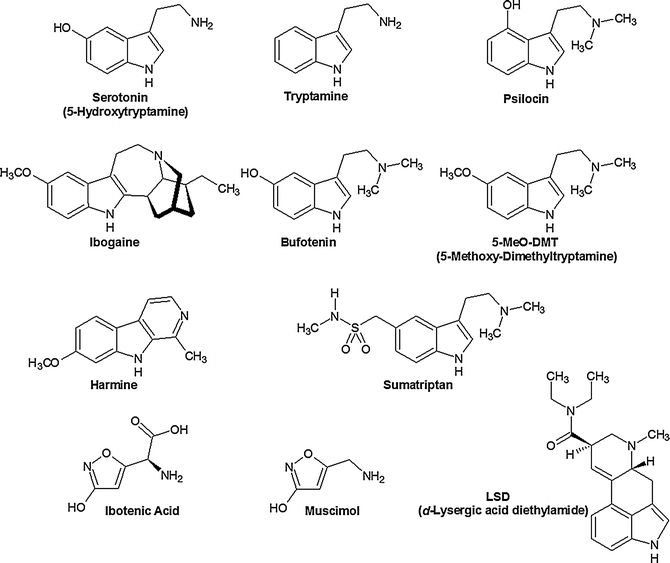
Before the ritual, we are reminded of the dangers of taking Iboga root (The Babongo spell it out plainly, “you could die”) and the perils of the journey ahead. Iboga is not a recreational drug, the psychoactive alkaloid it contains, Ibogaine, acts on the same receptors in the brain as serotonin thanks to its molecular structure that features an indole ring, allowing it to bind to our receptors in serotonin’s place. Psychoactive compounds of this nature (including ibogaine, psilocybin, bufotenine) are powerful tools that work to expose the repressed and throw light upon the dark and buried recesses of the psyche. In Jungian terms, these are chemically-facilitated encounters with the Shadow (the repressed parts of our ego that remain unassimilated into the Self, and therefore a kind of psychological baggage). In physical terms, they will make your brain light up like a Christmas tree.
In the participants in this Iboga ritual, we witness what is essentially a spiritual death and rebirth, reinforced by the symbolic actions they partake in. Bruce the Brave is made to enter the hut of the elders, purposefully low-roofed to force the entrant to bow to the Gods. Our man is then fed a gratuitous quantity of Iboga root tea containing potent psychoactive alkaloids (cue more trademark vomiting as the substance takes hold). He feels as though he might die, and the locals watch over him to monitor his condition.
For the next 12 hours, the visions take hold, the exact nature of which is kept secret due to Babongo taboo, only the elders are allowed to know the visions that come in waves from the depths of the psyche. It appears that these are not mere hallucinations, but immersive experiences, memories of guilt and shame that have been buried by the conscious mind. Fortunately or unfortunately for us, our unconscious mind remembers all, and is always listening, so these buried feelings and experiences do not disappear; they sit under the surface and occasionally bubble up to us as rushes of feeling, or as dreams, if we heed their message. For Bruce, these suppressed parts of the self have erupted like a pyroclastic volcanism into his conscious mind, he is swimming in the thick smoke of days gone by.
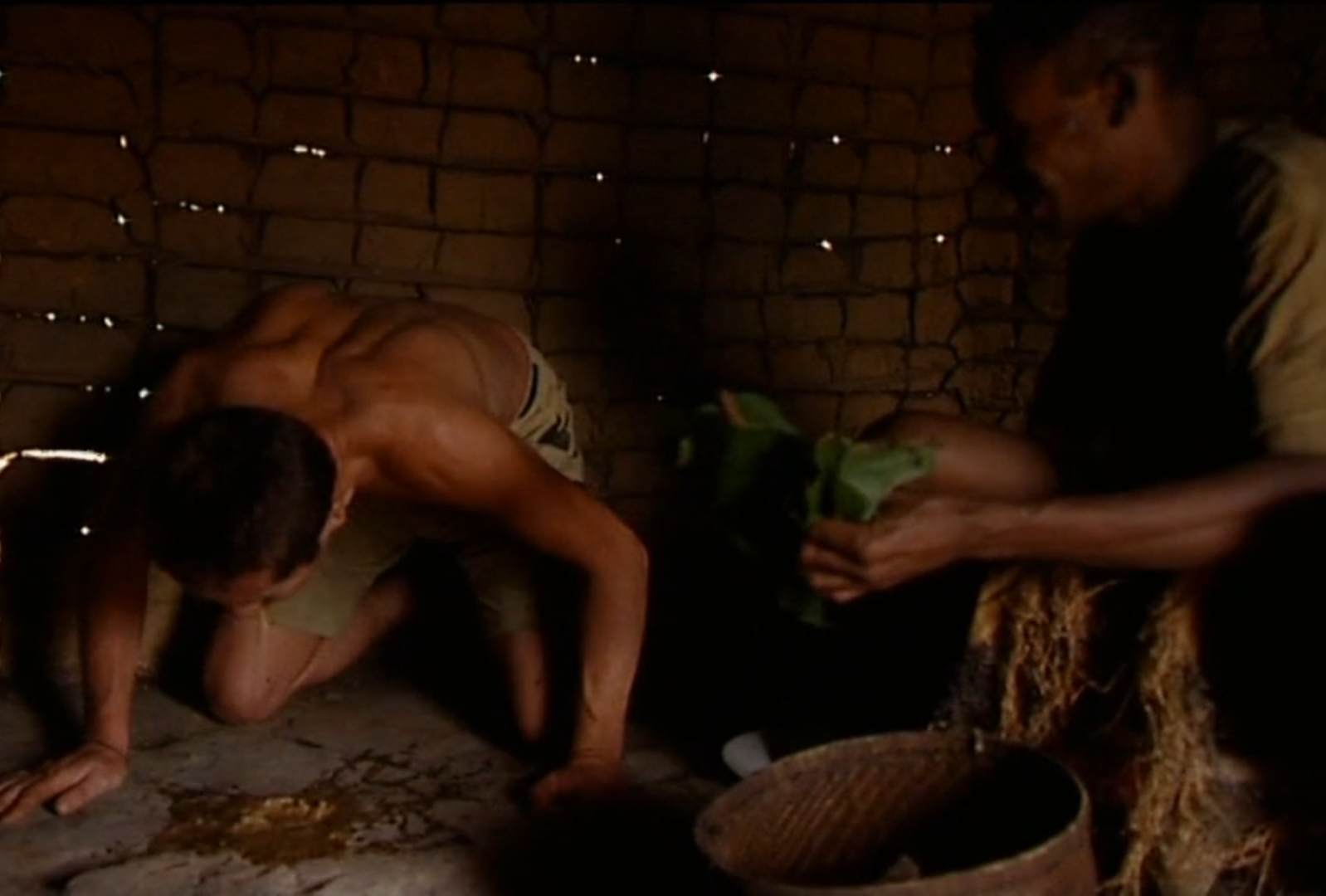
The process of confronting one’s Shadow can be performed with “shadow work”, a type of self analysis devised by Jung that helps integrate these parts of ourselves over time, but with the Iboga ritual, it all comes at once, it is immersive, visceral, almost a physical manifestation of the integrative process, rather than something to be jotted with pen and paper then assembled and worked upon in the mind’s eye.
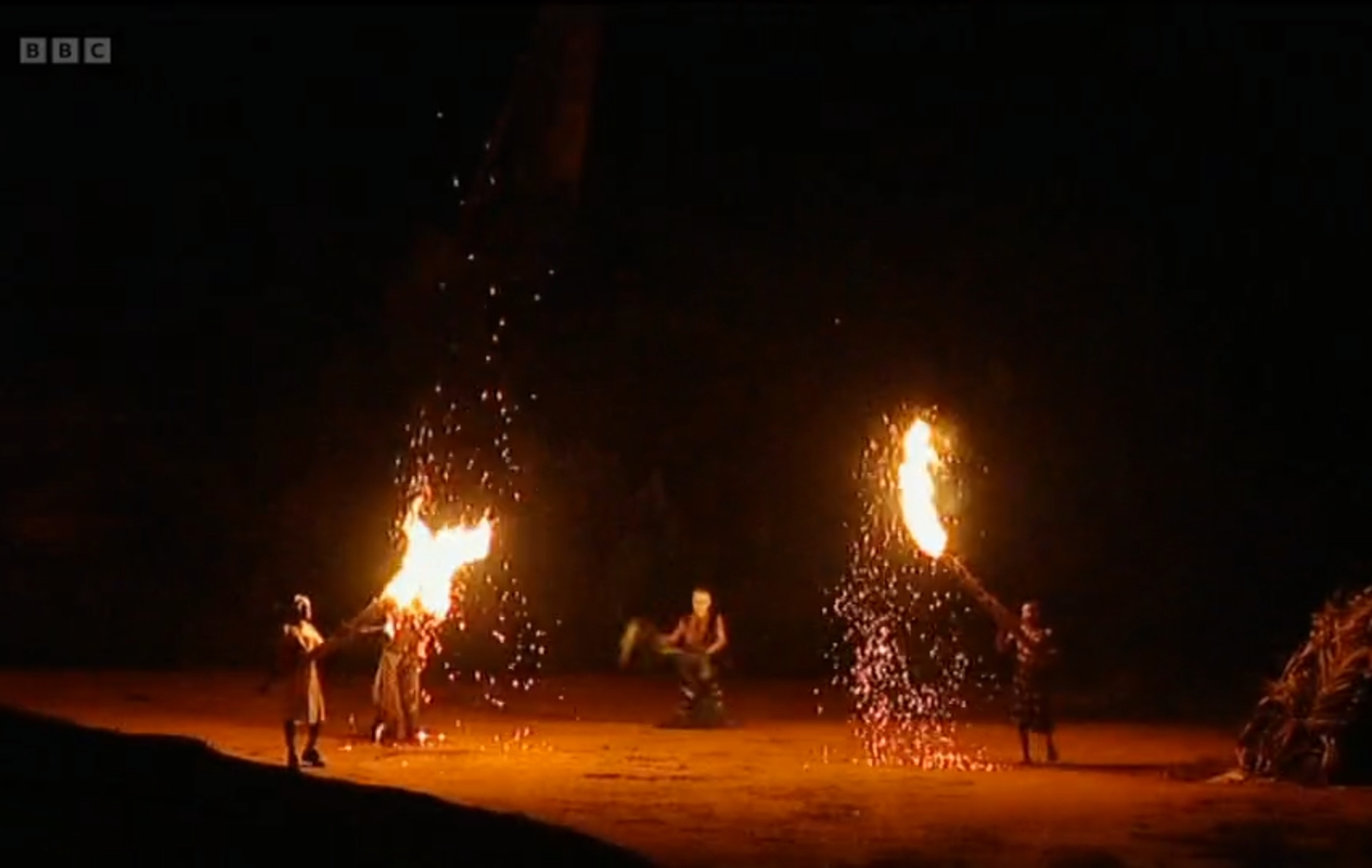
On the second day, still drinking root-tea to maintain the trip, Bruce is presented with a miniature forest planted by the Babongo. The tribespeople create this with fresh saplings, uprooted and arranged in the centre of the village. These saplings represent all the problems a person might encounter in adulthood. In a flurry of movement and dance, the forest is ripped up, whirled around and flattened, only a central sapling remains, a manifestation of the Self, standing strong despite the maelstrom of life’s problems. We see more dancing around the fire, dazzling displays of sparks and flames. Then we reach the rebirth.
Having experienced a truly unfiltered encounter with his unconscious, work is then done to integrate the confronted parts of the Shadow into the self. Bruce is “re-born” through a vulva made of sticks, and bathed in the river, a sort of Baptism. He reports that the experience has been transformative and that he was forced to encounter and live through guilt associated with past actions, even going as far as to say he plans to make amends with someone he once hurt many years ago. Meanwhile, the tribe have accepted him as one of their own, the elders taking care to help him work through the contents of his vision and to assimilate them into waking life.
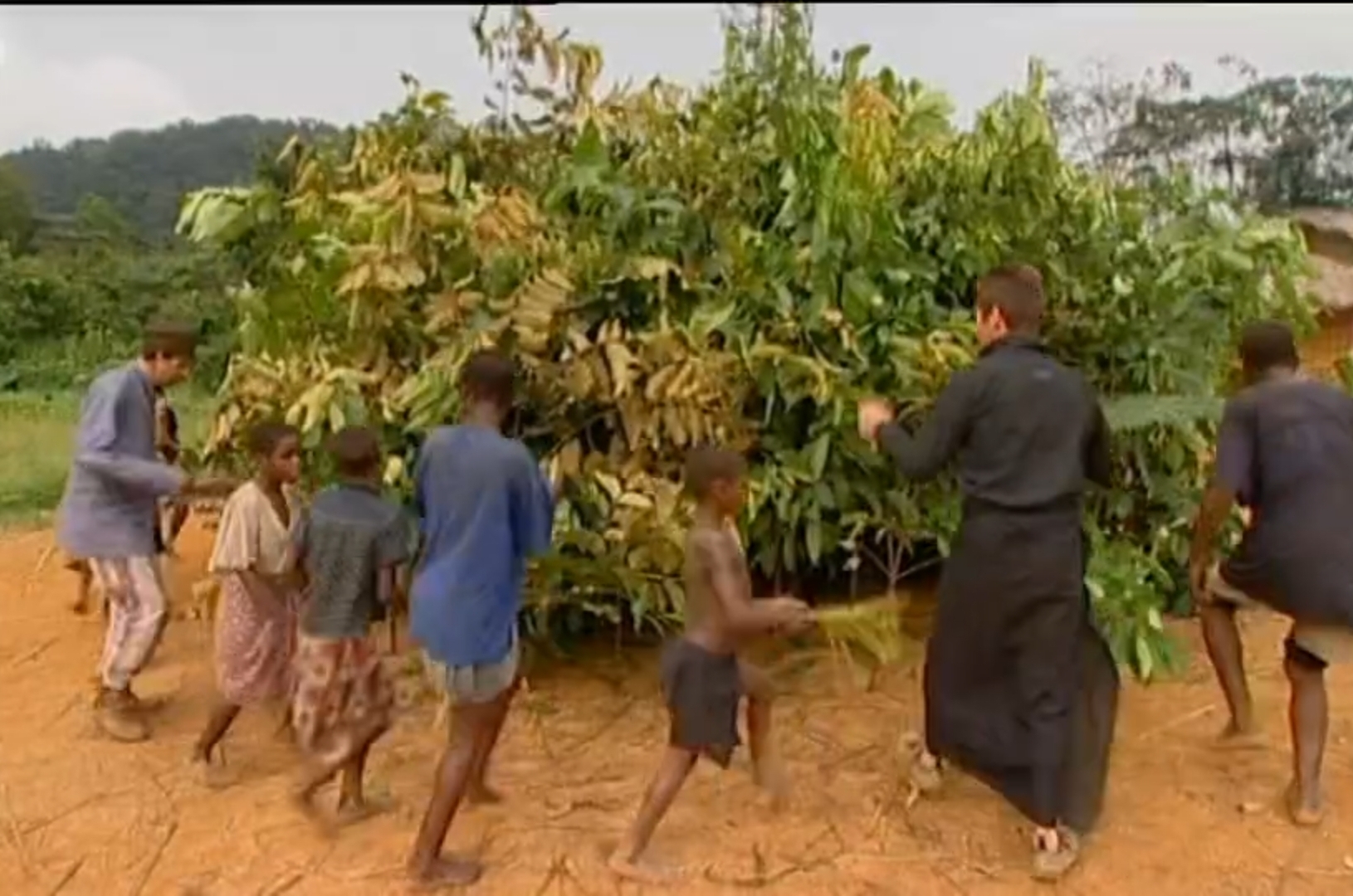
The ritual accomplishes something that our modern versions do not, a period of introspection, a trial, and a rebirth that results (for the tribe at least) in a psychologically balanced individual that is ready for “manhood”. He has truly endured a rite of passage and has earned his seat amongst the elders of the village.
Similarly, Bruce’s encounters in Latin America with Ayahuasca rituals also achieve a purpose. He reports feeling at one with the forest, of the deconstruction of his ego, psychological effects that guide the way to a positive outcome for the whole tribe. An individual with an ego-complex that feels separate from nature is not useful to an Amazonian tribe, people need to see themselves as one with the jungle which is their home, their larder, their pharmacy. Any men who raise a hand against the forest may anger spirits who will come for their souls, taking the form of a vengeful crocodile, venomous snake or spider.
Going beyond the individual, ritual practices tell us a great deal of the support structure that these groups have. The whole village takes part in their rites, they bond over food, drink and the medicine they consume. They help facilitate the healing process after the intrepid heroes have undergone their passage. Even without the help of psychoactive substances to unlock corners of the mind, rituals like that of the Huskanaw of the Virginia Indians involved sending their boys for a period of isolation in the wilderness, a ritual death and finally a rebirth, where initiates return as men. It cannot be denied that such a process would have a profound psychological impact on an individual and swiftly cascade them into adulthood.
Can the same be said for our modern rituals? I think we know the answer. There is nothing so profound within our current culture that is intended to instigate such a change, or is indeed capable of doing so, should we just apply it correctly. Our secular rituals are almost purely material in their focus, means and ends. It could be argued that religious ritual has very little impact or room to operate in comparison, and when it does, its impact is diminished by the lack of participation from the wider community.
The role of the elder too, is highlighted as greatly important during Bruce’s adventures on Tribe. Each society has its elders to impart wisdom of the ages to the new generation, elders in the majority of tribes are greatly respected. In Bruce’s travels in the Amazon rainforest, we find young men and young women with exposure to the modern world, that instead wish to become tribal Shaman and Medicine Women. They see what has been lost in their culture and aim to preserve knowledge of the jungle for future generations. In some cases however, we see the signs of change. When Bruce visits the Adi (the infamous gastronomists that devised the aforementioned rat cake), he encounters a lonely old woman, the village shaman. Once a respected pillar of the tribe, she is now cast to the side, the winds of change have blown from the open road. Christianity has gripped the youth of the village, and the old ways are no longer needed to fulfil their spiritual function.
We “civilised” folks of course, have none of this societal structure and support, and our elders are hidden away in nursing homes and hospices. The effects of the Industrial Revolution have echoed through the centuries, and now we have no time and no want to live with, or learn from, our elders in any significant way. There is a question of whether many of our elders have even attained wisdom worth passing on. It is best for the modern man to visit the grandparents only sporadically a few times a year until the inheritance cheques pay out. Spiritual leaders still play a societal role, but unless the modern person lives in a small parish village, the feeling of belonging to a “tribe” may be far from complete and lacks the intimacy that we see displayed throughout the diverse communities explored on Parry’s Tribe.
Meaningful Ritual and Taboo
Meaningful and useful ritual is perhaps the most obvious thing that post-industrial humans appear to lack, when contrasted with their tribal brethren, but there is more. Before this is examined, I would like to lay aside any accusations of rose-tinted spectacles when it comes to contrasting modern living with the primitive.
We in the west tend towards two polar opposites when it comes to the lifestyles of the “uncivilised”, either total dismissal, or total romanticisation. I am not glamorising tribal/primitive living, nor do I believe it is possible for us to go back to living in such a way (short of some large scale catastrophe that precipitates the end of technological society). I do not believe that most people wish to live this way. Primitive existence can be brutal, contending with the elements, nature and other hostile tribes, all of this evades romanticisation.
Many of these peoples are burdened with the weight of tribal taboo and as such have remained totally unchanged for thousands of years longer than we have in Europe. For example, the Dassanech people of the Omo Valley still believe that the removal of a woman’s clitoris at adolescence is the only thing that will prevent a demon from killing her and her entire extended family. In thousands of years, nobody has been able to set aside the fear of demonic forces to see what happens when the clitoris is *not* removed. There is a reason I mainly have written about the spiritual journey of the man, as in many of these cultures, women are not permitted to undergo the same rites as the males and life in some of these societies is extremely unfavourable towards women.
The most extreme example of the maintainers of taboo are the Marapu people of Indonesia, who have lived in the exact same location for centuries because they must live among the graves of their dead. If they relocate, the spirits will be angry and calamity will ensue. As a result of this the village is stagnant, it appears the elders have chosen the *die* part of the phrase “adapt or die”. Food is scarce and their young have to leave the village for many years, simply to earn enough money to return and buy wedding gifts so they can present an honorable dowry to their new in-laws. This has trapped the village in a downward spiral of decay, as the people become poorer, the youth spend more time outside of the village and the elders are unable to hunt effectively; yet they still have not recognised the need to free themselves from the shackles of this particular taboo to ensure their survival. There is a lesson here too, if we are too backwards facing, the past will also be our undoing.
How do we balance the past and the future, to perhaps find a middle path?
As we have discussed, there are things that we have forgotten that Bruce’s tribes can teach us for the better.
Many of these groups are still polytheistic, or animist, or a combination of all. They believe they are one with the land, the plants, animals and the spirits therein. This fosters an immediate need to co-exist with the land. This is not ecology or a science, it is a mode of being. In the west, with our badly interpreted and espoused monotheism tending to put God in the sky and the gates to worship in the hands of an organised institution, we paved the way for a different path which put man above nature, rather than focusing on parts of the scripture that also mention man is the steward of nature, because God exists in all of creation. The fundamentals of Christian mysticism have been thrown aside and subverted by men of dogma and men of greed.
Jaques Ellul, in his book The Technological Society, argues that this change in religious belief ultimately paved the way for the Industrial Revolution, which was the greatest driving force for cleaving the western “tribe” apart in service to the loom, printing press and ultimately the techno-industrial state. It was here that we were uprooted from the land and made to worship the machine instead.
In Tribe we see examples of community, true community, not siloed online hubs or meetings of niche interest groups. We see groups fully immersed and invested in their people and environment, who understand and respect their surroundings in a way that the average “civilised” man cannot. We see families who pass down traditions and engage in meaningful ritual practices that foster the psychological and spiritual wellbeing of the individual, and therefore the whole group.
When the people of the Matis Tribe say they are Matis, this comes not only with belonging to a distinct genetic group, it also carries the meaning, customs and culture of the tribe. For many of us in the west, to say we belong to the tribe of the Anglo, or the Briton, or the Celt, perhaps carries a more superficial meaning (even for the most nationalistic amongst us). We eat the same food, consume the same products and ultimately live and work in a completely homogenised way. To say that our modern style of living has any unique connection to our own tribes, could only perhaps be connected with the fact that we live as post-industrial humans and the industrial revolution has its roots in Britain.
We live our lives with ritual and taboo focused on the false machine-god, the digital deity, the idol of worship and fetish that grips the mind of everyone from the atheist to the most devout Christian. We might still buy a yule log at Christmas, or throw pennies into a wishing well, but what does any of this symbolise outside of performative aping of an action that once had deeper meaning, or even spiritual function?
Small attempts have been made to recoup identity from days past, for example with the Welsh teaching their own language in schools. An effort is being made to recover something that was nearly lost, and turn the tide of homogenisation. A return to… something? Does speaking Welsh truly matter, when the way the Welsh live will still ultimately remain the same as the rest of Britain? How can I say I am truly English if I have no knowledge of the rich traditions and practices of my ancestors?
Imagine spending your whole life on a barren, rocky mountain top, with the rest of existence being shrouded in cloud. One might assume that the mountain top is all there is to the whole world, the sudden discovery of the myths and folklore of your people is like a strong wind has blown the cloud away, revealing a whole world of valleys, forests and fertile ground. A land to set your roots into.
Simply taking on the aesthetics of the past will not solve this issue, although it could be a step in the right direction. Tribe shows us that the real, lived and shared human experiences are the ones that we can observe and learn from. We, as the mass man, have to re-learn to be human.
The rising folk movements in Britain appear to be a reflection of this need. Some citizens of the civilised world are waking up to what we have lost and are making positive steps to recovering it. Some are turning their eyes from the endless hamster wheel of material gains and worldliness, instead looking for that lost connection with people and land. Even the superficial aesthetics of folk are perhaps seeding a forest for spiritual regrowth. Summer Solstice 2025 saw record gatherings at Stone Henge. This could be due to the excellent summer weather, or it could be an indicator that there is a rising awareness of lost tradition, of lost tribehood, and more pilgrims are gathering to connect and celebrate with their own Tribe. In the same way, Church memberships are up amongst younger generations, who appear to be seeking a deeper connection with their peers and wider community.
Bruce Parry’s Tribe is an unarguable anthropological treasure. At its surface level, it is gripping television and excellent documentary work, at its deepest, it is an insight into the human condition and a fascinating look at how humanity’s past intersects with its future. It has certainly given me much food for thought.
As more tribes send their children to the cities to gain an education, we can only sit and wonder: what education could these tribes give to us in return? Could they teach us to become real humans again? Perhaps then, we can slowly begin to course correct the future, to be one of human dignity, community and belonging.
One way or another, we must work to find and unite our own Tribes.